¶ Overview
Selecting the right print bed surface is one of the most important steps toward getting reliable 3D prints. The build plate affects how well your first layer sticks, how easily you can remove parts, how durable your surface is, and even how the bottom of your print looks.
This guide introduces the major types of 3D printing bed surfaces, explains what they’re best used for, and shows you how to match the right surface to the filament you’re printing with. Everything is laid out clearly so beginners can make confident choices.
¶ The Major Types of 3D Printer Bed Surfaces
Below are the five most common bed surfaces you’ll see on modern 3D printers.
Each one has its own strengths, limitations, and ideal use cases.
1. Smooth PEI Sheet
A popular all-around surface for beginners and experienced users. Great first choice.
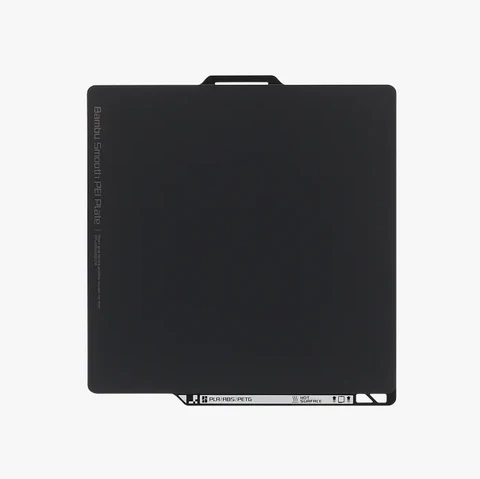
- Pros: This surface provides great adhesion for most filaments, is durable and long-lasting, and prints normally pop off on their own once the bed cools.
- Cons: It costs more than basic bed surfaces and can be scratched if tools are used on it.
|
Category |
Details |
|
Material |
PEI sheet applied to aluminum or glass base |
|
Surface Finish |
Smooth finish; strong, consistent adhesion |
|
Heat Resistance |
Handles high bed temperatures; good for PLA, PETG, some ABS |
|
Ease of Use |
Clean with isopropyl alcohol; reusable for many prints |
|
Compatibility |
PLA, PETG, ABS, TPU, and more |
|
Applications |
Everyday printing; reliable first layers |
2. Textured PEI / Engineering PEI
A flexible, beginner-friendly surface that solves the common problem of PETG sticking too hard.
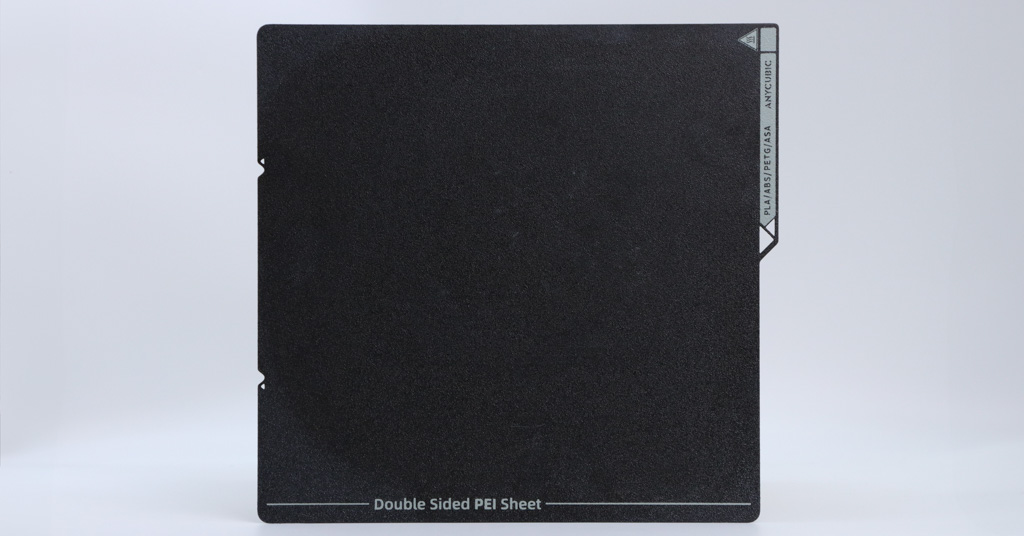
- Pros: Provides a strong grip during printing while allowing easy release afterward, is very durable and can handle many heat cycles, and prevents filaments from bonding too aggressively.
- Cons: Produces a slightly less shiny bottom surface, and the texture may slowly wear after heavy use.
|
Category |
Details |
|
Material |
PEI coating on flexible spring-steel or metal plate |
|
Surface Finish |
Lightly textured for easy release and strong adhesion |
|
Heat Resistance |
Works well at higher temperatures for engineering filaments |
|
Ease of Use |
Bend the plate to remove prints; simple cleaning |
|
Compatibility |
PETG, TPU, PLA, flexible materials |
|
Applications |
Sticky filaments (PETG), flexible prints |
3. Cool Plate
A simple, low-temperature surface ideal for beginners printing mainly PLA.
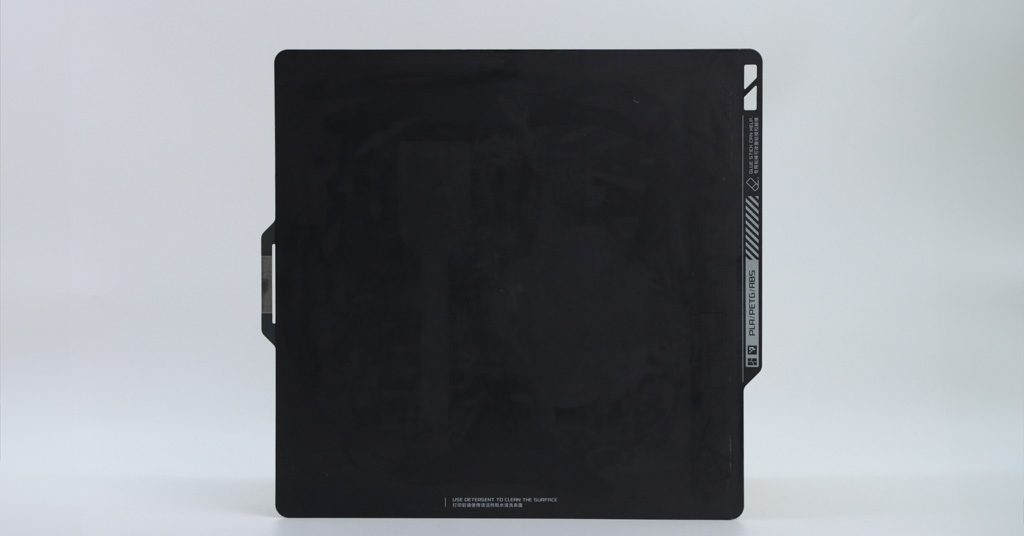
- Pros: Parts remove easily thanks to fast cooling, the surface is easy to maintain, and it’s very beginner-friendly.
- Cons: Not suitable for ABS, PC, or Nylon, and adhesion can fail with high-temperature filaments.
|
Category |
Details |
|
Material |
Low-temperature polymer plate |
|
Surface Finish |
Moderate grip; optimized for fast cooling |
|
Heat Resistance |
For cool materials only—PLA, lightweight PETG |
|
Ease of Use |
Very easy part removal; nearly no maintenance |
|
Compatibility |
PLA, basic PETG |
|
Applications |
Fast PLA printing; starter setups |
4. High-Temperature / Engineering Plate
Made for advanced materials that like to warp. Best used with an enclosed printer.
.png)
- Pros: Best surface for high-performance materials, very thermally stable, and ideal for enclosed printers and large prints.
- Cons: More expensive than common plates, and parts cool more slowly, which can delay removal.
|
Category |
Details |
|
Material |
Metal or composite plate designed for high heat |
|
Surface Finish |
Smooth or micro-textured; often works with adhesives |
|
Heat Resistance |
Excellent—designed for high bed/chamber temperatures |
|
Ease of Use |
Very stable at high temps; may require glue or slurry |
|
Compatibility |
ABS, ASA, PC, Nylon, other engineering plastics |
|
Applications |
High-shrink materials; large parts prone to warping |
5. Glass Plate
Classic, inexpensive option that produces beautiful glossy bottoms.
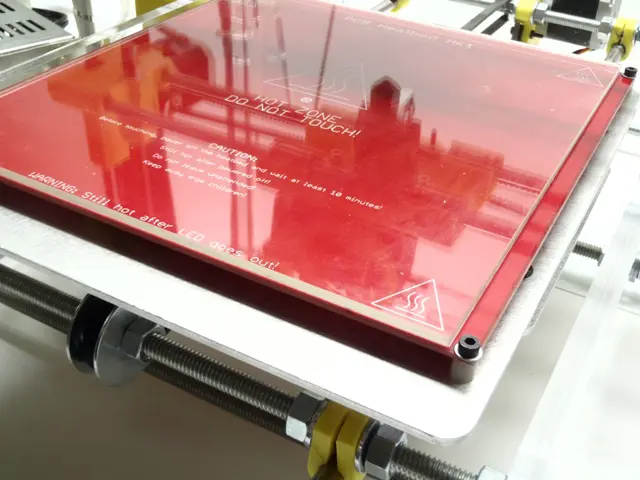
- Pros: Provides a very flat and clean surface, is low-cost and easy to replace, and gives prints a beautiful bottom texture.
- Cons: Requires tape or glue for stronger materials and needs more maintenance compared to PEI surfaces.
|
Category |
Details |
|
Material |
Borosilicate or tempered glass with tape or adhesives |
|
Surface Finish |
Ultra-flat glossy finish; great aesthetics |
|
Heat Resistance |
Moderate; adhesives needed for ABS or PC |
|
Ease of Use |
Requires cleaning and tape replacement |
|
Compatibility |
PLA, PETG (with adhesives) |
|
Applications |
Beginners, prints needing a smooth bottom surface |

Which Surface Should You Use for Each Material?
|
Filament Type |
Best Bed Surface |
|
PLA / Standard Filaments |
Smooth PEI, Glass, Cool Plate |
|
PETG / TPU / Flexibles |
Textured PEI |
|
ABS / ASA / PC / Nylon |
High-temperature metal plate (in an enclosure) |
|
Large Flat Models |
Textured PEI or high-temp engineering plate |

Summary
When selecting a 3D printing bed, match the surface to your filament and goals.
For PLA, Cool Plates, Glass, or Smooth PEI provide reliable adhesion and easy printing. PETG and TPU work best on Textured PEI, which grips well during printing but still allows parts to pop off easily. High-temperature filaments like ABS, PC, or Nylon perform best on metal plates in an enclosed printer to prevent warping.