¶ Overview
Thermoplastic Polyurethane (TPU) is a flexible, rubber-like material known for its unique mix of softness, strength, and durability. Unlike rigid plastics, TPU bends, stretches, and absorbs impact without losing its shape. It also resists oils, chemicals, and everyday wear—making it perfect for gaskets, seals, phone cases, protective covers, and wearable accessories.
In this article, you’ll learn what makes TPU different, how to choose the right TPU filament, and how to get the best results when 3D printing with it.
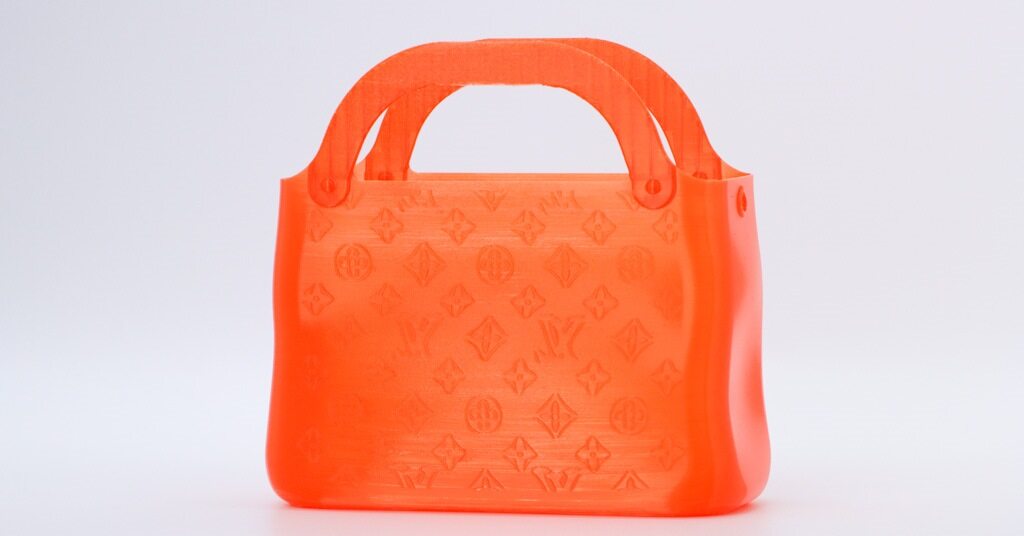
¶ Key Material Characteristics
|
Property |
Description |
| Elasticity & Flexibility | TPU can stretch 400–600% of its original length without breaking, returning to shape after deformation. |
| Abrasion Resistance | Highly resistant to wear and friction, making it suitable for moving or contact surfaces such as wheels and belts. |
| Impact & Tear Strength | Absorbs impact energy effectively, resists tearing, and maintains strength even under repeated flexing. |
| Chemical & Oil Resistance | Withstands exposure to oils, greases, and many solvents, ideal for industrial environments. |
| Low-Temperature Performance | Remains flexible and resilient even in cold conditions where other plastics may become brittle. |
| Hygroscopic Nature | TPU readily absorbs moisture from air. Damp filament can cause bubbles, stringing, or inconsistent extrusion — always dry before printing for best results. |

TPU Hardness Categories and Applications
TPU hardness is measured using the Shore hardness scale, which indicates how soft or rigid the material feels.
- Shore A scale covers softer, elastic types (rubber-like).
- Shore D scale measures harder, semi-rigid grades (plastic-like).
- Higher number = less flexibility, more stiffness
|
Hardness Grade |
Relative Feel |
Typical Applications |
Key Features |
|
60A–75A (Soft) |
Very soft and rubber-like, similar to a gel insole or soft silicone. | Wristbands, cushioning pads, air cushions, vibration dampers. | Excellent flexibility and rebound; best for comfort-oriented parts. |
|
80A–90A (Medium) |
Comparable to a rubber tire or flexible phone case. | Protective bumpers, grips, flexible enclosures, connectors. | Balanced elasticity and toughness; widely used in consumer goods. |
|
95A (Firm) |
Semi-rigid, similar to a hard rubber wheel or dense shoe sole. | Shoe midsoles, wearable components, flexible mechanical parts. | High wear resistance with moderate flexibility — the most common TPU grade for 3D printing. |
|
64D–77D (Rigid) |
Hard and dense, comparable to a power plug casing or industrial hose. | Gears, bushings, and semi-flexible mechanical parts. | Strong and abrasion-resistant with limited stretch — suitable for engineering use. |

Printing Tips for TPU
TPU is more challenging to print than rigid materials due to its softness and elasticity, but consistent results can be achieved with proper settings and preparation. Here are a few tips:
- Extruder Type: Use either a direct-drive system or a printer with an external extruder attachment. Avoid using AMS (filament auto-feed systems).
- Nozzle: Standard brass nozzles work fine.
- Bed Adhesion: Use a light glue stick or adhesive sheet for stable adhesion. This also acts as a release layer for easier removal.
- Retraction Settings: Keep retraction short (0.5–1.5 mm) and slow (20–30 mm/s) to avoid filament stretching or clogging.
- Travel Moves: Minimize long, fast travel movements — TPU can ooze easily when the nozzle moves too far between points.
¶ TPU Printing Checklist
- Always dry filament before printing to prevent bubbles, stringing, or inconsistent extrusion.
- Use a direct-drive extruder or an external extruder attachment; do not use AMS.
- Print slowly for better control and surface quality.
- Apply a glue stick or adhesive sheet for stable bed adhesion.
- Keep retraction short (0.5–1.5 mm) and slow (20–30 mm/s).
- Minimize long, rapid travel moves to reduce oozing.